

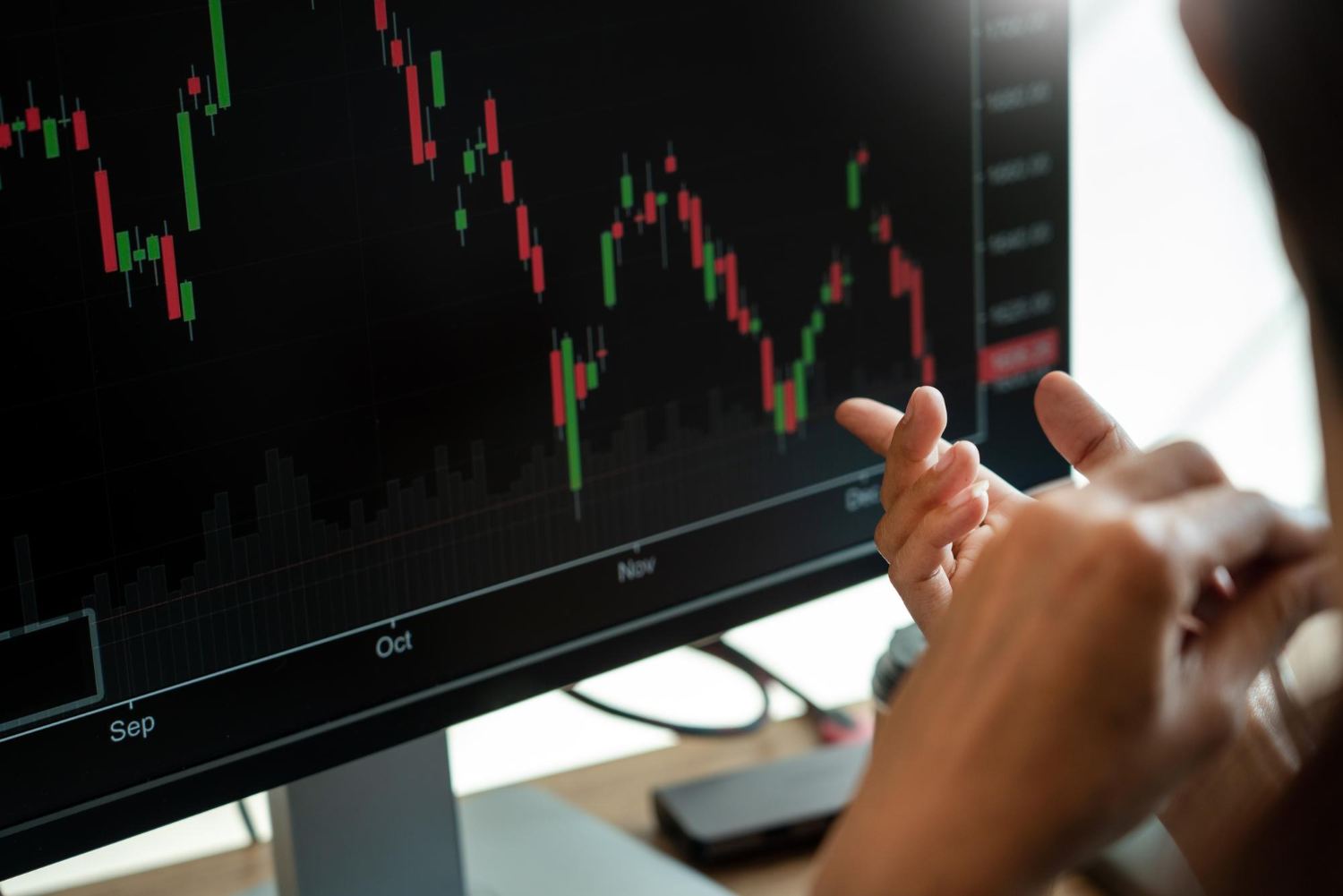
Forex trading is gaining traction in Ghana, offering individuals a chance to engage with the global financial market from the comfort of their homes. With increasing internet access and growing interest in online investments, more Ghanaians are exploring Forex as a potential way to diversify income streams. But is it as straightforward as it seems?
Understanding how Forex trading works, the legal framework in Ghana, and the tools needed to succeed is crucial. This article delves into the essentials of Forex trading in Ghana, from choosing reliable brokers to exploring risks and opportunities. Whether you’re a beginner or looking to refine your skills, it’s all about making informed decisions.
Overview Of Trading Forex In Ghana
In Ghana, trading Forex has surged in popularity, with an estimated 35,000 active traders as of 2023, driven by improving internet penetration and smartphone adoption. It allows individuals to trade currency pairs in the global market, seeking profits from price fluctuations. The market operates 24/5, making it accessible to those with varying schedules.
Forex trading in Ghana is not explicitly regulated, although the Bank of Ghana monitors financial activities. Traders usually rely on international brokers, as no local brokerages currently exist. Choosing a licensed broker, especially one regulated by reputable authorities like the FCA or CySEC, ensures fund security and fair practices. Many brokers offer Ghanaian traders features like demo accounts, leverage, and mobile platforms.
Knowledge is essential. Trading involves understanding currency pairs, market analysis, and risk management strategies. Common tools include MetaTrader 4 and 5 platforms, which support technical analysis and automated trading. Broker-provided resources, such as webinars and tutorials, benefit beginners.
Yet, Forex trading remains risky. High leverage, while amplifying profits, can magnify losses. Without proper risk management, traders can lose their entire capital. Awareness of pitfalls like scams, fake brokers, and get-rich-quick schemes is critical in the Ghanaian trading environment.
Forex trading’s economics also depend on local factors. Ghana’s cedi (GHS) faces frequent fluctuations, influenced by inflation and fiscal policies. These fluctuations create opportunities for traders who study macroeconomic conditions. By preparing adequately, traders can explore Forex as a potential income source while exploring its challenges.
Benefits Of Trading Forex In Ghana
Accessibility And Flexibility
Forex trading operates 24 hours a day, five days a week, enabling traders in Ghana to participate at any time, accommodating different schedules or swift market changes. With Ghana’s internet penetration rate reaching 68.2% in 2023, an increasing number of individuals can access trading platforms such as MetaTrader 4 or 5 from smartphones and computers. This connectivity bridges urban and rural populations, broadening Forex participation.
International brokers, such as XM and Exness, offer user-friendly mobile apps, enabling trading on the go. Flexibility further extends to account types, as brokers typically provide options like standard, mini, or demo accounts tailored to various experience levels. These features allow learners to start small while professionals can operate large-scale investments. Traders can also balance Forex with other responsibilities due to the non-centralised schedule, unlike traditional markets.
Potential For Profit
The Forex market’s daily trading volume exceeds $7.5 trillion globally, offering significant profit potential for Ghanaian traders who understand market trends and risk management. By leveraging strategies like technical analysis and news-based trading, many achieve consistent returns. Also, currency movements, particularly the frequent fluctuations in the Ghanaian cedi (GHS), generate profit opportunities for traders adept in monitoring macroeconomic factors.
Brokers amplify earning possibilities through leverage, with common ratios ranging between 1:50 and 1:500. Though high leverage risks magnifying losses, disciplined trade execution minimises such downsides. Online resources, including broker-led webinars and expert forums, provide essential tools for better-informed trading, enabling greater success.
Growing Popularity In Ghana
As of 2023, Ghana’s Forex trading community boasts over 35,000 active traders, a number steadily rising due to internet accessibility and the pursuit of alternative income sources. Social media and Forex educators also contribute to its growth, offering training and live-trading sessions to aspiring traders. Notable influencers in the space simplify complex Forex concepts, attracting a tech-savvy youth audience.
International brokers like FXTM and OctaFX, targeting Ghana’s market, invest in localised services, such as cedi-compatible payment methods and dedicated client support. This builds trust and sustains market expansion. With digital transactions gaining momentum, Forex trading continues embedding itself into the evolving financial world.
Regulations Surrounding Forex Trading In Ghana
Ghana’s Forex trading environment is semi-regulated, with oversight falling mainly to the Bank of Ghana and individual responsibility on traders for ensuring compliance with trustworthy brokers.
Role Of The Bank Of Ghana
The Bank of Ghana (BoG) acts as the central authority overseeing broader financial practices in the country. Though it doesn’t directly regulate Forex trading, its general financial governance ensures stability in the market. The Foreign Exchange Act, 2006 (Act 723), mandates regulations to control the exchange of foreign currencies within Ghana, focusing on preventing money laundering and fraud.
BoG regulates international financial inflows and outflows through its licenses for Forex bureaux, ensuring legitimate currency exchange operations. This indirectly impacts Forex trading by securing the overall currency ecosystem, such as the Ghanaian cedi. As it doesn’t specifically supervise Forex brokers or trading strategies, traders engaging with international platforms rely on oversight from external regulatory bodies like the FCA or CySEC.
While BoG encourages adherence to financial standards, its direct involvement in Forex trading is minimal, leaving traders to educate themselves about international brokerage operations. This leads into understanding the legal requirements traders must observe.
Legal Requirements For Traders
Forex traders in Ghana must follow national laws for foreign currency dealings, primarily governed by the Foreign Exchange Act. Individuals are required to report significant transactions or transfers of funds exceeding $10,000 to the BoG to avoid penalties for non-compliance. Trading profits are subject to income tax per the Ghana Revenue Authority, depending on declared earnings.
Forex trading in Ghana often involves international brokers due to the lack of local regulation. As such, using platforms licensed by credible overseas agencies (e.g., FCA or ASIC) ensures compliance with best practices, protecting traders from scams. Traders are also discouraged from engaging with unverified brokers operating outside regulatory frameworks.
Beyond broker selection, traders should maintain records of transactions and profits to ensure transparency with tax obligations. These measures underscore the importance of staying legally informed, building a strong foundation for exploring Forex trading risks effectively.
Choosing A Forex Broker In Ghana
Selecting the right Forex broker is crucial for traders in Ghana to ensure fund security, access to essential tools, and fair trading conditions. Trusted brokers can significantly impact trading outcomes, particularly in the volatile Forex market.
Factors To Consider
Regulation is essential. Brokers monitored by reputable organisations like the FCA (UK) or CySEC (Cyprus Securities and Exchange Commission) are more likely to provide secure and transparent services. In Ghana, since local oversight is limited, prioritising international regulatory approval helps traders avoid scams.
Trading costs affect profitability. Commissions, spreads, and deposit/withdrawal fees vary, so comparing these across brokers is worthwhile. For example, some brokers charge spreads as low as 0.1 pips for major currency pairs, while others impose higher costs. Low-cost brokers with transparent pricing should always be preferred.
Platforms and tools are key to effective trading. Reliable brokers typically offer MetaTrader 4 or 5, which support technical analysis and automated strategies. Additional resources, such as mobile apps, copy trading features, and educational content, enhance user experience. Those new to Forex may benefit from brokers offering demo accounts to practise.
Local Vs International Brokers
No local Forex brokers operate in Ghana due to the absence of a comprehensive regulatory framework. Instead, traders rely on international options, which dominate the market. International brokers regulated by Tier-1 authorities, such as ASIC (Australia) or CFTC (USA), often provide better security, liquidity, and customer support.
Local brokers, though non-existent for Forex trading, may still operate for currency exchange services. Hypothetically, if local brokers were to emerge, challenges around regulatory credibility and global market relevance might limit their competitiveness.
International brokers generally cater to Ghanaian traders by offering local payment methods like mobile money services (e.g., MTN Mobile Money). Enhanced support through multilingual staff and tailored educational resources further makes them more appealing. But, it’s crucial to verify their reputation through extended online research and user reviews.
Common Challenges Of Trading Forex In Ghana
Internet And Infrastructure Issues
In 2023, Ghana’s internet penetration rate reached 68.2%, yet connectivity issues remain significant in rural regions. High latency and slow broadband speeds can disrupt real-time trading, delaying transactions and affecting profitability. While urban centres like Accra and Kumasi benefit from fibre connections, less developed regions often rely on unstable mobile networks.
Frequent power outages in certain areas compound these challenges, as traders risk interruptions during critical market movements. Access to consistent power sources and backup systems, such as generators or power banks, becomes a necessity. Also, internet costs can be prohibitively high, particularly for mobile data plans, limiting affordability for low-income traders.
Although infrastructure improvements are ongoing, gaps persist in ensuring reliable access across the country. Overcoming these limitations is vital for traders aiming to compete on a global scale, connecting directly to brokers and using advanced analysis tools in real time.
Risk Of Scams And Fraud
Forex scams continue to target unsuspecting Ghanaian traders, with instances of fraudulent investment schemes increasing. Fake brokers often promise unrealistic returns, luring participants with enticing marketing. The rise of social media has made it easier for scammers to mimic legitimate entities, creating fake trading platforms and siphoning funds.
Ponzi schemes and multi level marketing scams disguised as Forex opportunities are equally widespread. A lack of regulatory enforcement locally makes it crucial to verify brokers through international organisations like the FCA or CySEC. Unauthorised individuals posing as account managers have also exploited beginners by falsely claiming expertise.
Education and vigilance remain the primary defence against scams. By conducting thorough research and prioritising licensed brokers, traders can protect their investments while keeping confidence intact. Robust awareness campaigns, paired with accessible information resources, may reduce victimisation rates in Ghana.
Tips For Successful Forex Trading In Ghana
Educate Yourself On Forex Basics
Forex trading involves exchanging one currency for another, with over $7.5 trillion traded daily globally, making it a highly liquid market. Beginners in Ghana benefit from understanding key concepts like currency pairs, leverage, and market trends before starting. Currency pairs are categorised as major, minor, or exotic; the USD/GHS pair, for example, directly links to the Ghanaian economy. Mastering technical and fundamental analysis, which interprets factors like price charts and economic news, strengthens decision-making.
Reliable online resources, such as Investopedia and BabyPips, offer free learning materials. Local Forex educators delivering workshops and tutorials also enhance accessibility for traders in Ghana. A solid grasp of terminology and strategies prepares individuals for more complex trading scenarios.
Start With A Demo Account
Demo accounts simulate live trading conditions without financial risk, making them valuable for beginner traders in Ghana. These accounts let users practice strategies, understand platform features, and experience market fluctuations in real-time. Most top brokers, including FXTM and IC Markets, provide access to free demo accounts. Practice here avoids costly mistakes that arise when trading live too soon.
New traders should dedicate time to experimenting across different market conditions before switching to real accounts. Doing so builds confidence, refines trading approaches, and ensures smoother transitions to actual trades. Also, demo platforms often mimic tools used in live trading, such as charting tools and MT4/MT5 software, enhancing readiness.
Importance Of Risk Management
Risk management safeguards trading capital against significant losses, which is critical in Ghana’s volatile Forex market. Traders often risk just 1-2% of their account balance per trade to maintain financial stability. Setting stop-loss and take-profit orders limits potential losses while locking in gains. For instance, placing a 50-pip stop-loss on a USD/GHS trade helps reduce exposure during market reversals.
Diversifying currency pairs mitigates risks associated with a single market movement. Overleveraged, common in high-margin trading, amplifies losses faster than gains for inexperienced individuals. Brokers regulated by authorities like the FCA often provide risk management tools, including negative balance protection. Using these ensures traders remain financially secure during adverse market periods.
Conclusion
Forex trading in Ghana offers a promising avenue for individuals seeking financial opportunities in a globally connected market. With growing internet access and increasing awareness, more Ghanaians are exploring this dynamic space. But, success requires a combination of education, careful broker selection, and disciplined risk management.
While the potential for profit is significant, traders must remain cautious of the associated risks and challenges, including regulatory gaps and scams. By staying informed and leveraging reliable tools and resources, traders can navigate the Forex market effectively and responsibly.